
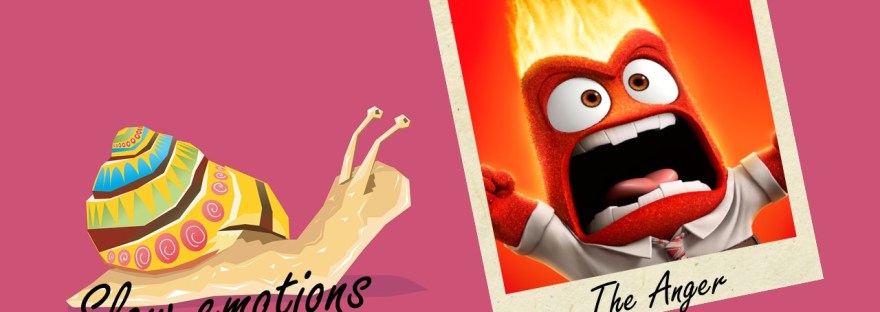
Our perception, as well as our emotions, guide and shape the reality in which we move. The emotions and attributions we associate with them guide our future behaviours.
We attribute the label “anger” to that emotion that activates our body, makes us “boil our blood”, clench our fists and make us want to act immediately. As we already know, the physiological activations of different emotions are very similar to each other, so when we attribute the label of anger, we do it based on the situation we are experiencing and our past experiences with this emotion.
Very often, when we talk about anger, destructive scenarios and violence are associated with it. Of course, emotions activate our bodies and somehow prepare us for action. However, it is important to separate the “angry” action from the emotion of anger that one feels. Furthermore, there are so many different ways and different situations in which to act angry. For example, Seneca believed that anger was a vile emotion and that it was unseemly to experience this type of emotion in the streets because it led to unnecessary quarrels and unseemly fights. On the other hand, he believed that the use of this emotion in the war was fundamental, which made soldiers stronger and more ready for action.
The attitude towards this emotion has changed over the centuries. At times the anger was inconvenient, something that was best hidden. On other occasions, however, this emotion was considered essential to keep young or to help patients, after a long debilitating illness, to regain strength and recover completely.
At the beginning of the twentieth century, Freud established that the non-expression of anger could lead to the appearance of physical symptoms. In the therapeutic field, around the 1950s in America, it was considered essential that drug-addicted patients felt a fit of strong anger, even losing their temper, to get rid of the false self and begin the healing process.
Today we have a clearer role of our culture and our experiences in experiencing emotions. Based on the attributions we make, we see reality differently and behave and act differently.
Let’s take a small example. A woman has recently been living with her boyfriend, after many years of engagement. When he leaves the bathroom untidy, she feels a lot of anger. Based on the attributions of the boyfriend’s behaviour, our friend will make different decisions. She might consider that her angry reactions are unmotivated because it is the woman who should look after the house; therefore, she will tend to feel wrong about that emotion. Or she might decide that since her boyfriend grew up in an extremely male-dominated environment, he wasn’t taught to look after the house. In this case, her anger could be directed at his family or be channelled into the feminist political fight. Or, she might think that her boyfriend should pay more attention to her needs, and read his leaving the bathroom messy as disrespectful. In this case, the anger she feels would be directed to assertively asking her boyfriend to fix the bathroom after using it.
In some cultures, anger is an important feeling for moving things. The Ilongot people, a small hunting people in the Philippines, call liget a kind of angry force. In this population, anger, the liget, has a highly positive connotation and allows them to move, hunt and carry out all daily activities.
What causes anger? Anger was an important emotion for our survival. It came to our aid in all those situations in which we had to defend our territory from incursions by animals or other enemy groups who wanted to grab our resources.
But what makes us angry? Generally speaking, we can say that the emotion of anger is triggered when we feel hurt, when our expectations have been disappointed or when our needs have not been met. Feeling anger in these situations helps us change the situation and meet our needs.
When anger is violently acted out it is certainly no longer useful, neither to us nor to others. For example, it is legitimate to get angry because our colleague has taken our parking space. We feel our bodies boil for a moment and feel the need to do something to change the situation. Helpful anger guides us to speak assertively and firmly to the co-worker and berate him for his inappropriate behaviour. If, on the other hand, we decide to smash his car, we will most likely end up fired and the parking space would be the least of our problems. Feeling anger is okay, acting violently is not.
Anger can have different shades, and be triggered by different situations, based on our personal history and our culture of belonging. Do you know what makes you angry?
Here are some simple questions to reflect on this emotion:
What emotion of anger did you feel? (Irritability, frustration, annoyance, anger?)
What thoughts were associated with emotion?
What body sensations have you experienced?
What triggers/situations triggered this emotion?
If you want help exploring your emotions, contact me!
Bibliography
Smith, T. W. (2017). Atlante delle emozioni umane: 156 emozioni che hai provato, che non sai di aver provato, che non proverai mai. Utet.
Harper, F. G., & LPC-S, A. C. S. (2020). Unfuck Your Anger: Using Science to Understand Frustration, Rage, and Forgiveness. Microcosm Publishing.
 Dr Vanessa Pozzali