Slow Emotion

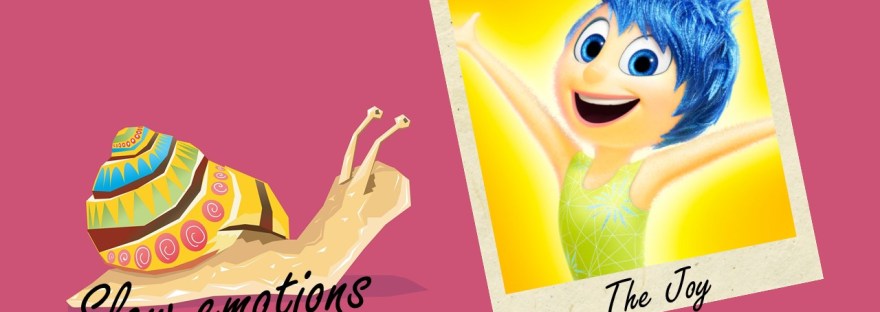
The Joy

Psychological research and literary attention to joy are not very extensive. In psychology, there is, in general, more research on negative emotions than on so-called positive emotions. Even among the latter, joy has not received much attention from researchers, who have focused more on the feeling of happiness.

Joy is that momentary emotion that is felt when, all of a sudden, we realize that all things are in their place. Joy is associated with surprise. We feel joy when an unexpected and pleasant event presents itself before us. Joy is found in small gestures, in a ray of sunshine on a gloomy day, or, quoting the philosopher Spinoza, “Joy is a joy accompanied by the idea of ​​a past thing, which happened unexpectedly.”

From this point of view, joy is an emotion that happens. Due to this nature so linked to luck, attention has always been paid to happiness, which on the contrary is a feeling that we can more easily manipulate and build our happiness.

Yet, it is estimated that joy is the most felt emotion during the day.

In our evolution, joy has played an important role in signalling the approach to our goal and prepares our body to spend much more energy to reach the goal. This was an important function, in order to invest in social resources and increase the sense of community.

Contrary to sadness, which helps develop a critical attitude, joy prepares us to consider the opportunities we face.

We are used to associating joy with positive stimuli, which are morally acceptable or useful to the community to which we belong. Like all emotions, joy manifests itself as a result of an unconscious evaluation of the situation we are experiencing. It is not therefore certain that it is a positive or morally desirable event that triggers this feeling. Without disturbing extreme examples, such as the joy felt by the Nazi guards in annihilating the enemy, many of us will certainly have felt an emotion of Schadenfreude, or that subtle joy we feel in witnessing the misfortunes of others.

Doesn’t it seem that literature offers us many other ideas about joy, that it is better to try it than to study it?

Here are some reflection questions for you. Have you ever wondered about the things that bring you joy? Would you have ever said that it is the most felt emotion? Have you ever heard of Schadenfreude? Have you ever felt this way?

Bibliografia

Smith, T. W. (2017). Atlante delle emozioni umane: 156 emozioni che hai provato, che non sai di aver provato, che non proverai mai. Utet.

Patty Van Cappellen (2019): The emotion of joy: commentary on Johnson, The Journal of Positive Psychology, DOI: 10.1080/17439760.2019.1685571

Slow Emotion

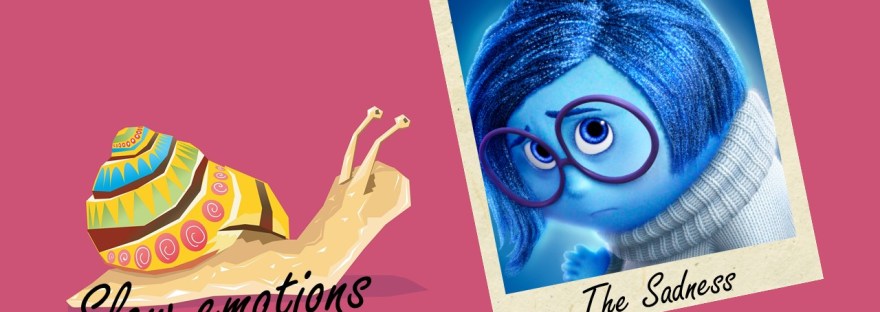
The sadness

In the past couple of years, public debate around mental health and emotions has opened up. In the UK in particular there is much information available about depression and anxiety, and despite that, many of us use the term “depression” in everyday life to describe our state of mind when we feel sad.

This underlines when sadness is an almost alien emotion, something we are no longer used to talking about. In past centuries, sadness was an appreciable and desirable feeling, to the point of becoming a “divine” feeling, a kind of positive mourning given by the awareness of one’s spiritual lack of respect for God.

In the last century, scientific and mainstream theories have spread about the pursuit of happiness, a sort of cult in which the peremptory order is the pursuit of one’s happiness. Furthermore, the theories of positive emotions have emphasized positive emotions, such as joy and happiness, leaving out or demonizing emotions such as sadness or anger.

It is certainly more satisfying to feel joy than sadness. But why, then, is sadness one of the basic emotions? What is so special about it?

There are many theories about the function of sadness, which can coexist or be taken individually. In addition to the emotion of sadness, they also take into account other shades of sadness such as complex emotions and feelings. We will delve into topics such as complex emotions and feelings in future articles.

Before proceeding, I want to emphasize that sadness is different from depression in quality and quantity. Freud, for example, declared that depression, or melancholy, contained feelings of guilt that were unrelated to sadness. Furthermore, if sadness plays an adaptive role, as we will see, depression can be seen as a failure of sadness, the result of which is a state that is maladaptive to life circumstances.

Sadness as protection.

These theories emphasize the safeguard function that this emotion has, and four safeguards have been identified. Sadness is primarily the reaction to a loss. We feel heavy, with little energy and we tend to withdraw from society. The first element is that of alarm. Sadness tells us that when we lose or move away from our community, we will lose energy, thus helping to maintain social cohesion. A second element is that of disengagement. When we unequivocally lose something or someone, sadness and the loss of energy help us to withdraw our energies toward the object or person we have lost and then redirect them to new goals and new goals. The third protective factor is that of conservation, in which we tend to restrict iterations with the outside world when we feel most vulnerable. A sort of narrowing of interests is created, and the energies are used only for essential activities. The fourth element is accuracy. A lot of research has shown that when we are sad we are more sceptical and critical, making us less vulnerable to scams. Not only that, when you are sad, some cognitive skills improve, such as memory and attention to detail, and you are less prone to having false memories.

Sadness is an expression of care.

These theories have highlighted four elements in which sadness plays an important role in healing. The first element they highlight is love. It may seem strange to speak of love in this context, but we can speak of it in terms of absence, in which sadness is the expression of the absence of love. A second element is sadness as a longing desire of the loved one, that sadness given by detachment and impregnated with the hope of a future reunion. This type of sadness testifies to love for others and suffering when the person is absent. Literature, it has inspired poets, artists and writers. Sadness as compassion, on the other hand, emphasizes the empathic ability to feel sadness for the condition of others. Furthermore, sadness has the ability to elicit in others a behaviour of care towards those who feel sad. If we see someone who is sad, we tend to console and support them. People who suffer from depression, unlike those who feel sad, move feelings of frustration, annoyance, revulsion, or anger in others.

As we have seen, sadness, although it is a feeling that we would never like to feel, has had an important function in our evolution by favouring aggregation in groups and caring for others. Some theories also emphasize its importance for our personal and social growth.

Sadness as a flourishing

As we have seen sadness moves one to compassion, but evolutionarily speaking, it could be dictated by one’s interest, such as protecting one’s offspring. Sadness as a moral sensitivity, on the other hand, goes beyond compassion for the people we love or know. This is why many religions promote this feeling of sadness. Sadness, in this case, is seen as a generator of psychological development. Abraham Lincoln is said to have had compassion for the problems of the world, and taking action to address and solve these problems was rewarding. In Buddhism, compassion is a feeling that must be cultivated through meditation, generating personal growth. The sadness we feel after a trauma or illness can be a driver of personal growth. Working with people with cancer, I saw how many saw their disease as an opportunity for personal growth, striving to improve themselves and the communities they were a part of.

In light of this, we can say that sadness is an important emotion, which must be accepted, understood and processed to allow us to grow.

And you? Have you ever wondered about sadness? Here are some questions you might ask yourself.

How in touch are you with your sadness? When was the last time you felt sad? Did you recognize yourself in any of these shades of sadness?

Bibliography

Smith, T. W. (2017). Atlante delle emozioni umane: 156 emozioni che hai provato, che non sai di aver provato, che non proverai mai. Utet.

Lomas, T. (2018). The quiet virtues of sadness: A selective theoretical and interpretative appreciation of its potential contribution to wellbeing. New Ideas in Psychology49, 18-26.

Slow Emotion

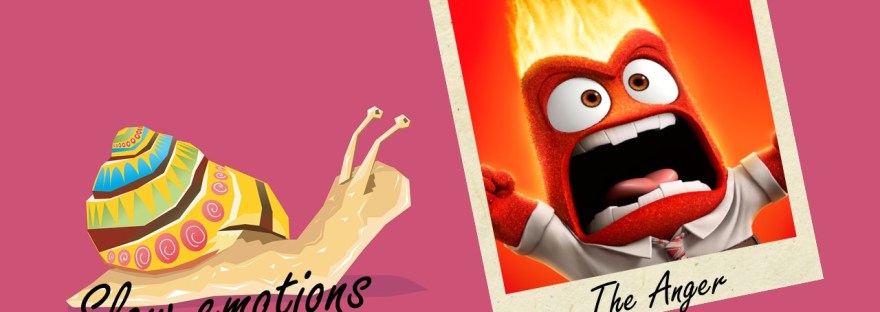
The Anger

Our perception, as well as our emotions, guide and shape the reality in which we move. The emotions and attributions we associate with them guide our future behaviours.

We attribute the label “anger” to that emotion that activates our body, makes us “boil our blood”, clench our fists and make us want to act immediately. As we already know, the physiological activations of different emotions are very similar to each other, so when we attribute the label of anger, we do it based on the situation we are experiencing and our past experiences with this emotion.

Very often, when we talk about anger, destructive scenarios and violence are associated with it. Of course, emotions activate our bodies and somehow prepare us for action. However, it is important to separate the “angry” action from the emotion of anger that one feels. Furthermore, there are so many different ways and different situations in which to act angry. For example, Seneca believed that anger was a vile emotion and that it was unseemly to experience this type of emotion in the streets because it led to unnecessary quarrels and unseemly fights. On the other hand, he believed that the use of this emotion in the war was fundamental, which made soldiers stronger and more ready for action.

The attitude towards this emotion has changed over the centuries. At times the anger was inconvenient, something that was best hidden. On other occasions, however, this emotion was considered essential to keep young or to help patients, after a long debilitating illness, to regain strength and recover completely.

At the beginning of the twentieth century, Freud established that the non-expression of anger could lead to the appearance of physical symptoms. In the therapeutic field, around the 1950s in America, it was considered essential that drug-addicted patients felt a fit of strong anger, even losing their temper, to get rid of the false self and begin the healing process.

Today we have a clearer role of our culture and our experiences in experiencing emotions. Based on the attributions we make, we see reality differently and behave and act differently.

Let’s take a small example. A woman has recently been living with her boyfriend, after many years of engagement. When he leaves the bathroom untidy, she feels a lot of anger. Based on the attributions of the boyfriend’s behaviour, our friend will make different decisions. She might consider that her angry reactions are unmotivated because it is the woman who should look after the house; therefore, she will tend to feel wrong about that emotion. Or she might decide that since her boyfriend grew up in an extremely male-dominated environment, he wasn’t taught to look after the house. In this case, her anger could be directed at his family or be channelled into the feminist political fight. Or, she might think that her boyfriend should pay more attention to her needs, and read his leaving the bathroom messy as disrespectful. In this case, the anger she feels would be directed to assertively asking her boyfriend to fix the bathroom after using it.

In some cultures, anger is an important feeling for moving things. The Ilongot people, a small hunting people in the Philippines, call liget a kind of angry force. In this population, anger, the liget, has a highly positive connotation and allows them to move, hunt and carry out all daily activities.

What causes anger? Anger was an important emotion for our survival. It came to our aid in all those situations in which we had to defend our territory from incursions by animals or other enemy groups who wanted to grab our resources.

But what makes us angry? Generally speaking, we can say that the emotion of anger is triggered when we feel hurt, when our expectations have been disappointed or when our needs have not been met. Feeling anger in these situations helps us change the situation and meet our needs.

When anger is violently acted out it is certainly no longer useful, neither to us nor to others. For example, it is legitimate to get angry because our colleague has taken our parking space. We feel our bodies boil for a moment and feel the need to do something to change the situation. Helpful anger guides us to speak assertively and firmly to the co-worker and berate him for his inappropriate behaviour. If, on the other hand, we decide to smash his car, we will most likely end up fired and the parking space would be the least of our problems. Feeling anger is okay, acting violently is not.

Anger can have different shades, and be triggered by different situations, based on our personal history and our culture of belonging. Do you know what makes you angry?

Here are some simple questions to reflect on this emotion:

What emotion of anger did you feel? (Irritability, frustration, annoyance, anger?)

What thoughts were associated with emotion?

What body sensations have you experienced?

What triggers/situations triggered this emotion?

If you want help exploring your emotions, contact me!

Bibliography

Smith, T. W. (2017). Atlante delle emozioni umane: 156 emozioni che hai provato, che non sai di aver provato, che non proverai mai. Utet.

Harper, F. G., & LPC-S, A. C. S. (2020). Unfuck Your Anger: Using Science to Understand Frustration, Rage, and Forgiveness. Microcosm Publishing.

Slow Emotion

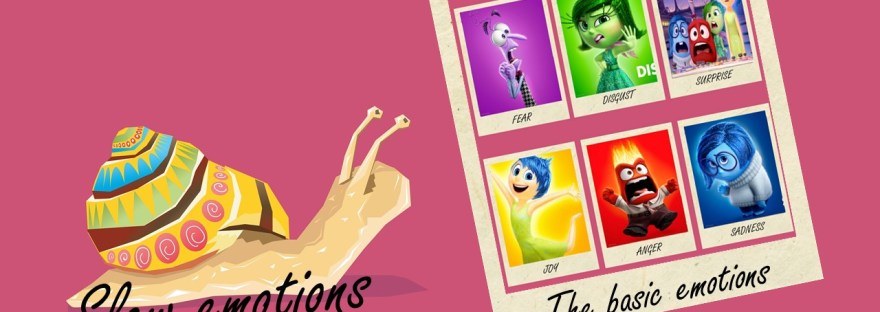
The basic emotions

In the previous article, we tried to define emotions. We have learned that these are fast and short-lived changes in physiological functions, accompanied by an emotional experience. Furthermore, we have seen that several theories deal with emotions.

Today let’s look a little more closely at the evolutionary theories on emotions. Evolutionary theories began with Darwin’s observations of facial expressions in primates and emphasize the evolutionary role of emotions.

Several studies have hypothesized the existence of basic emotions, common to all human beings. These theories emphasize the adaptive role of emotions in human development and the role that they have played in our history.

This hypothesis is made because every human being, regardless of the culture they belong to, is capable of distinguishing at least six emotions.  If every man on earth experienced emotion, emotion must have played an important role in our evolution.

Ekman, a famous scholar of facial expressions, photographed several Western people as they experienced different emotions. He took these photographs to several people from other cultures, especially oriental cultures, and asked them to describe the emotions they saw. He did the same with a remote population of New Guinea, where newspapers and television had not yet reached. All the populations involved were able to correctly identify six emotions: anger, joy, disgust, sadness, fear, and surprise. Ekman and his collaborators found that these emotions were common in all cultures, although they emphasized a strong influence due to the culture they belong to.

The researchers were able to identify that event before the emotions are common to all human beings. The stimuli were identified conceptually, i.e., not listing a precise stimulus, but a concept. For example, it was found that in every culture, people feel sadness when they lose a significant person. Culturally, however, what is meant by a significant person change.

There are several advantages expressed by emotions for our development. First of all, they allow you to be able to relate to other people. Studies have shown that people who suffer from facial paresis and are unable to express their emotions on their faces have a harder time establishing new relationships. Emotions also communicate whether we are safe. For example, if we see another person with a disgusted expression after smelling something, we probably won’t eat it because it could be poisonous. Or, if we imagine ourselves in the forest and see a frightened person, we will prepare ourselves to identify the source of the danger and act accordingly. This is another function of emotions. They prepare our bodies for action. If we are angry, it will most likely be because an obstacle prevents us from reaching the goal (such as, for example, hunting) and body activation helps us to stay focused and to use all the energy necessary to remove the obstacle. When we are scared, our body prepares for action, such as fleeing from danger, attacking it or pretending to be dead to avoid being attacked.

Emotions, therefore, help us understand what is happening and also where we are with the achievement of our goals. Also, Ekman and his researchers have identified that emotions help us in the evaluation. (In the last article we saw how much the unconscious evaluation is crucial in experiencing an emotion). Anger tells us that an obstacle has stood in the way of achieving our goal. Joy signals the achievement of the goal. The sadness that the goal was not achieved or maintained (as above, we did not maintain the relationship with the person who passed away). Fear signals an expectation of failure to achieve the goal.

Evolutionary theories show that emotions “are not requested and not chosen by us” and have to do with past experiences and the predictability of events.

In the next articles, we will explore the basic emotions one by one!

Stay tuned!

Bibliography

Ekman P., Basic Emotions. In: T. Dalgleish and M. Power (Eds.). Handbook of Cognition and Emotion. John Wiley & Sons Ltd, Sussex, UK, 1999.

Slow Emotion

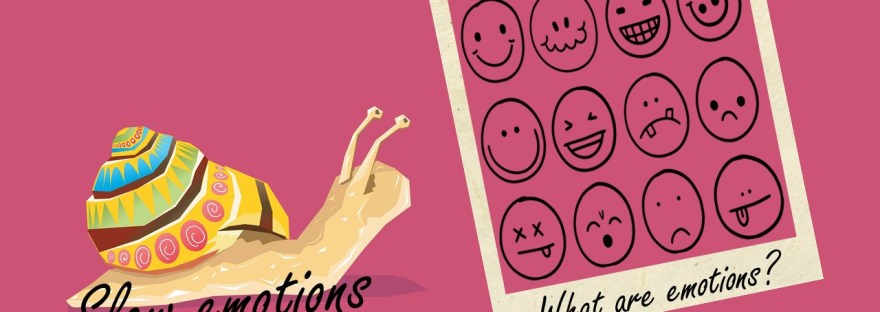
What are emotions?

Here is the first article dedicated to emotions.

We feel emotions daily, but often we don’t stop to think about how emotions work. If we were to describe how emotions work, the first thing we should do is define emotion: what is emotion? Answering this simple question is not that simple. There are many theories of emotions, and they differ from each other in various aspects, including the definition of what an emotion is.

What scientists agree on is that emotions: 1) have a “multi-system” structure, that is, they involve different structures of our body and brain; and 2) play an important role in the decisions we make, in the judgments we formulate and in the logical reasoning we implement.

In general, we can define emotion as an intense and short-lived response to a stimulus. The stimulus can be either an external situation or an internal stimulus, such as a thought or a memory.

The intense response concerns both physical activation and the experience that accompanies physical activation. When we get excited, whatever the type of emotion, our body activates and transforms, such as heartbeat, breathing, sweating, vascularization, salivation, pupillary movements and musculature (mimic).

Emotions are an automatic response to a stimulus and each person can experience different emotions in front of the same stimulus. When a response is automatic, it means that it is independent of our will, when we feel an emotion.

It should follow that since emotions are automatic and independent of our will, we are at the mercy of what we feel … But is this so?

The physical activation and the emotional experience that accompanies it, in reality, are quite conscious reactions. Think about the last time you felt embarrassed, and your cheeks turned red, making your mood clear to everyone, or about the last time you felt joy and a smile appeared on your face!

What is automatic, or unconscious, is everything that happens before the emotions manifest. Emotions are strictly connected to the cognitive evaluation we make, unconsciously, of what is happening around us.

In a famous study by Schachter and Singer in 1962, they devised a very ingenious experiment. People who participated in the study were told that the researchers needed to experiment with a mix of vitamins, called suproxin, for vision. For this reason, they were given an injection and would have to wait in the waiting room. In reality, they were given epinephrine, which gave them a physiological activation of arousal. The researchers divided the participants into four groups. The first group, epinephrine-informed, were injected with epinephrine and were told that vitamins could cause physiological activation (such as, for example, increased heart rate, heavy breathing, sweating). The second group, called epinephrine-not-informed, was given epinephrine and told that the vitamins were harmless. The third group, epinephrine-misinformed, was given epinephrine and told that the vitamins could give headaches, drowsiness, or other similar symptoms. Finally, the last group, placebo-uninformed, was injected with a saline solution and told that the substance was harmless. Half of the participants of all four groups were exposed to a cheerful situation. In the waiting room (where an accomplice and a participant in the experiment were present) the accomplice of the experimenters played with the objects in the room, laughed and was visibly in a good mood. The other half of the participants were given a questionnaire with irritating questions, and the accomplice inside the room was altered, up to snatching the questionnaire, railing against the researchers and leaving the room.

From this experiment, it emerged that the two groups, epinephrine-not-informed and epinephrine-misinformed, showed a strong emotional reaction congruent with the situation in which they were assigned. While the other two groups, informed epinephrine and placebo, experienced an attenuated emotional response.

This means that, unconsciously, when we feel an emotion we give an evaluation and a judgment on the situation we are experiencing. The two groups, epinephrine-not-informed and epinephrine-misinformed, attributed the physiological reaction to a wave of strong anger or a strong joy, depending on the situation they were experiencing. The epinephrine-informed group, on the other hand, attributed the strong physical activation to the administration of the vitamin and not to emotion.

There are no specific physiological activations for an emotion. For example, if we have a heart-pounding for a run, we don’t associate any emotion with it. But if noticing the heartbeat, we see the person we like in front of us, we could feel joy, and if the same heartbeat occurs when there is a sudden noise, we could feel fright or surprise. Even in a fraction of a few seconds, we assess the situation or predict events based on the clues available.

Our unconscious evaluations are strongly influenced by our way of seeing life, of approaching the world, of our reference culture and of the system of values ​​that guides us.

Returning, therefore, to our question, we can say that we are not totally at the mercy of our emotions, because they are guided by our values, our culture and the unconscious assumptions and representations we have of the world.

From this, it follows that emotions tell us something about ourselves and at the same time, by acting on our way of thinking and seeing the world we can slowly change our way of feeling. We, therefore, can change how we feel. It is certainly not an instant process, but a journey into our way of seeing and feeling, and in our unconscious.

This year is dedicated to the journey into emotions, to the different nuances and implications.

You are ready?

To start, I invite you to watch this video You aren’t at the mercy of your emotions — your brain creates them | Lisa Feldman Barrett

Bibliography

Schachter, S .; Singer, J. (1962). “Cognitive, Social, and Physiological Determinants of Emotional State”

https://www.youtube.com/watch?v=0gks6ceq4eQ

private life, work life

Life and work: new challenges and new balances

These days, the difficulty of finding seasonal workers for the summer is being addressed in public dialogue. The public dialogue is focusing on various aspects, carried out by the “fans” of this or that orientation. There are those who argue that the state is responsible for this phenomenon, for the introduction of citizenship income. We find supporters of the rhetoric of the employer, rich and arrogant ready to exploit to the bone every worker he comes across. Another point of view that finds space in social networks is the rhetoric of young people who have little desire to work. Others complain about a structure unsuitable for work, due to the tax burden or too much bureaucracy, which forces workers to hire illegally, especially in the tourism sector.

Even across the Channel in the UK, the world of work is undergoing many transformations, in which it is difficult to find staff in the tourism and catering sector.

In Italy, the problem of work is certainly not new, and the pandemic has accelerated and exacerbated processes already underway in the world of work for some time. In Italy, for example, many workers do not have access to the safety devices required by law, they work many hours and the salary, even when we are talking about specialized work, such as a psychologist or a lawyer, is underpaid. White deaths in 2020 increased by 16.6% to 1,270, a number too high for a country where work is an established right.

Internationally, Italy, Nations are in the process to reduce the amount of working hours during the week.

The Republic recognizes the right to work for all citizens and promotes the conditions that make this right effective.

Every citizen has the duty to carry out, according to his possibilities and his own choice, an activity or a function that contributes to the material or spiritual progress of society.

ITALIAN CONSTITUTION, Article 4

Let’s take a few steps back.

Work, as we understand it today, has undergone profound transformations. Before the industrial revolution, private life and working life coincided and the times were marked by nature. Time, therefore, was marked by life in the fields, by the harvest, by sunrise and sunset. The clock made its first appearance around 1200 in Europe. Time, punctuated by seconds, minutes and hours, slowly began to creep into everyday life, to establish the working hours, the time for meals, for prayers and for going to bed. The industrial revolution led to the separation of work and personal life. About 80% of the work was based on physical effort. Workers were paid by the hour and their work was mostly assessed on the amount of production or physical effort made over a period of time. In today’s world of work, there has been a profound transformation that has led, to date, to have 80% of the work constituted by immaterial and non-measurable labour per hour or per production. The value of a company today is constituted by knowledge, working relationships with other companies or institutions, processes and situations.

If the world of work has undergone these profound transformations, which are taking place at a rapid pace, the same cannot be said of the bureaucratic systems or the management of workers, which are valued by the hour or in terms of production.

In addition, post-war economic well-being has increased society’s awareness of the need to accompany this growth with psychological well-being and respect for human rights and workers’ rights.

The Pandemic has brought about another, notable, transformation of work. The introduction of teleworking / agile working / smart working / remote working/working from home. It has many names, but the practice is the same, questioning the work-life dichotomy. The International magazine in a recent article wrote about the possible transformations this will have in the future social life. But what are the effects on the personal life of each of us?

During the pandemic, work forcefully entered the homes of many workers, jeopardizing the already fragile family balance, the management of home environments and the time dedicated to working. Work meetings are doubled during this phase, working hours have expanded and work multitasking has been divided between home/family care and work attention.

The summer debate regarding the shortage of staff such as lifeguards and waiters shows that the transformation that has taken place this year is not fully understood. From a purely practical and pragmatic point, we can see that many of the workers in these sectors have had to reinvent themselves, and find other ways of living. And many have done so. But there is more, it was not just a career change.

This year has been for many, if not all, a re-evaluation of their lifestyle, with a focus on their mental and physical health. There is widespread awareness of the importance of having a good balance between private life and working life. The pandemic has literally put us in front of death, a showdown. What really matters to us? How do we spend our time?

Some research suggests that when we feel that we have enough time to meet our social needs, we feel better, more satisfied, and happier. Conversely, when we feel we don’t have enough time to cultivate satisfying social relationships, we feel more frustrated, and the person’s general well-being deteriorates. In the long run, the state of stress and frustration could lead to real mental illnesses, such as anxiety, depression, and panic attacks. Just think of the overtime hours during the summer, and the exhausting shifts of the operators in the holiday villages to realize how exhausting working in these sectors can be.

Work structures and defines, very often, the place where we live, the people we hang out with and the friendships we make. It establishes our economic power and the position we have in society. Work, at times, determines our identity. Some jobs, such as a doctor or a psychologist, are a real vocation to care for those who find themselves in a situation of difficulty or illness. The advocacy responds to the desire for justice. The police embody the values ​​of protection and social harmony. Obviously, not everyone undertakes these professions for a sort of virtuous call, but even if the reasons are purely economic or due to chance, a certain type of work affects the vision we have of the world, the experiences we will have and the construction of our own identity (which is always a work in progress).

The work environment determines our well-being. If at work our skills are highlighted, appreciated and cultivated, we feel more fulfilled and satisfied with ourselves. We would have more energy to improve and cultivate job interests, and new skills and keep up to date.

On the contrary, in a hostile work environment, in which one does not feel appreciated or in which it is difficult to progress at the working level, feelings of demotivation, bad working relationships, tensions and frustrations spread. This undoubtedly leads to a deterioration of one’s psychophysical state which can spread to other areas of life, from social relationships to family life.

Even when we are in a peaceful work environment, we can encounter frequent obstacles, which in the long run negatively impact our mental health. Some research, for example, highlights the difficulty of those working who have a different circadian rhythm (sleep-wake rhythm). Research from the University of Washington Foster School of Business has shown that managers who define themselves as morning people judged better (also from a pay point of view) workers in the first shift, from 9.00 to 15.00, compared to workers in the second shift, 11.00 -19.00. Managers who called themselves not very early risers, on the other hand, showed no significant preference for either group, treating early risers and second shift jobs equally.

Nowadays, especially among Millennials (those born between 1991 and 1995), there is a greater awareness of the role of work in their lives and a greater need to have a balanced family and working life. Proofs of this are the recent short week work experiments, with four working days for equal pay. Spain is funding one of these initiatives. Some European states are considering extending paternity leave for the same period granted to the mother. More and more companies are offering flexible hours or remote work for their employees (some companies have successfully studied and applied these strategies even before the pandemic) to allow their workers to reconcile family and work life.

The challenge we are about to face, both on a personal, social and political level, is to reconcile one’s internal clock with working, family and social life. In the name of bio-psycho-social well-being to build a psychologically resilient society to face new and old challenges.

If your work-life is deteriorating your well-being, contact me.

Bibliography

Bosch, M. J., & Hernández, T. (2020). A Closer Look to Millennials in Chile: How They Perceive the New i-deal Worker. In The New Ideal Worker (pp. 49-72). Springer, Cham.

Gröpel, P., & Kuhl, J. (2009). Work–life balance and subjective well‐being: The mediating role of need fulfilment. British Journal of Psychology100(2), 365-375.

https://www.ilsole24ore.com/art/nel-2021-oltre-due-morti-lavoro-giorno-pesa-anche-l-impatto-covid-AEGhOFG?refresh_ce=1

https://www.internazionale.it/opinione/annamaria-testa/2021/04/07/lavoro-agile

Kring, C. (2020). The New Ideal Worker Is a Super Navigator. In The New Ideal Worker (pp. 125-135). Springer, Cham.

Parents

Families: what our children need

Babies and children need someone to copy happiness from and someone to be happy with.

Mary e Robert Goulding

In Italy, a public and political debate is starting on the legitimacy that LGBT families may or may not be recognised in their parental role by the institutions. Some attempts to legislate in this regard were made a few years ago but have not led to a clear statement by the state.

In this period, public attention has again been interested in the subject, following the controversy raised by DDL Zan (which has nothing to do with this topic). If on the one hand the legislative vacuum leaves many families and children alone and without protection, on the other hand there are those who affirm that children need a mother and a father to grow up, referring to the traditional family, consisting of a mother. and a biological father.

At this point, perhaps, it is good to question ourselves and try to understand together what children need, to fully develop their potential and become satisfied adults.

Before starting this path, it is good to ask what is meant by traditional families, and conversely, to understand what non-traditional families are.

The traditional family consists of a biological mother and father united in marriage. The traditional family, although statistically represents the norm, does not represent the family varieties that have developed over the last fifty years. Since the 1970s, there has been a slow and profound transformation of the family structure.

Today, in fact, we speak of new families, to indicate all family structures other than the traditional family. With the legalization of divorce, there has been an increasing number of new families, made up of single mothers or fathers, cohabiting couples, people who have remarried and have given birth to a new family unit, sometimes made up of children from previous relationships. As the medical technique has developed, it has been possible to conceive through assisted fertilization techniques (in Italy now this technique is forbidden to singles and homosexual couples). Furthermore, more and more LGBT families have children, either because they were conceived from previous relationships, or with assisted fertilization techniques performed abroad.

Although these phenomena are now widespread in society, there are no laws (in Italy) that protect the rights of minors and families in many of these contexts.

Consider, for example, that the law that equates children born out of wedlock is only nine years old. This means that from (only) nine years old children out of wedlock can have the father’s surname, participate in the inheritance and have the right to kinship (this means that up to nine years ago these children could not legally have grandparents or of the uncles).

Why is this premise important? The factors that determine the healthy psychological growth of an individual also concern the environment, understood as society and sociality, in which it grows. For example, in the United Kingdom there is a lot of attention to discrimination, so much so that the National Health System website dedicates an information space on possible paths to become parents for LGBT families, single women and cases of co-parenting. Although the law in the UK is in favour of LGBT communities, deep prejudices persist today. Furthermore, adults belonging to LGBT communities often carry with them the traumas due to the stigmatization they suffered as young people, both on the part of society and on the part of their family.

Susan Golombok has collected the most authoritative research in the psychological field, regarding the factors that favour or disadvantage the growth of children.

It was found that the factors that favour the healthy psychological development of children are determined by intricate relationships between social, environmental and genetic factors.

An important role is played by parents. If they have a conflict relationship, it has been seen that children tend to be more disobedient, aggressive, have difficulties in school and socially, as well as a greater propensity to develop anxiety and depression. Parents’ mental health is also important to foster psychological balance in their children. Many studies have focused on parents with depression; in these cases, it has been found that children are less happy and active and may induce other adults to act with less vivacity and enthusiasm towards them.

The relationship that is established between parent and child is another important factor. This relationship begins to build already at birth. In psychology, this relationship is defined in terms of attachment *, which can be (mainly) secure, insecure, or ambivalent. In general, it has been seen that the type of attachment that is established in early childhood is quite stable over the course of life. When the main parental figure demonstrates an attitude of sensitivity and concern towards the infant, and proves to be engaged in the relationship, through caresses, smiles and words, children are more likely to develop a secure attachment. Developing a secure attachment means building a more secure self-image and internalizing the attitude of availability and sensitivity shown by the primary caregiver. These characteristics mean that, once adults, the person can overcome their sufferings more easily and to react better in the face of life’s adversities.

The educational modalities chosen by parents also have an impact on the psychological development of children. Four main educational styles have been identified, which have an impact on the growth of children. Permissive parents are loving, but they ask little of their children who tend to be little interested in results and self-affirmation. Authoritarian parents are controlling towards their children, little inclined to bargaining and use punishment a lot. In this case the children tend to be more rebellious, socially incompetent and dependent. Indifferent parents have attitudes of rejection and neglect towards their children and do not control what they do. Children often develop emotional and behavioural problems and more often have poor academic results. Authoritative parents control the behaviour of their children, are open to bargaining rather than imposing punishment or their power. In this case the children are more likely to develop psychosocial skills, to know how to control themselves, to be responsible and generally show a greater propensity to cooperate and to be self-confident.

From the point of view of the environment, it has been seen that children raised in poverty are more likely to develop aggressive behaviours, emotional difficulties and mental pathologies, such as anxiety and depression. It has been found that this is often determined by the difficulty of parents, being in conditions of poverty, to respond appropriately to the needs of the child and to implement appropriate parenting styles.

Furthermore, we must not underestimate the innate ability of some children, who manage to develop self-confidence and good psychological development even in extremely adverse conditions, this natural predisposition to react positively to adverse events is called resilience.

Other studies have focused on the development of children in LGBT families. To do these studies, entire families, traditional and new families, have been followed for years (longitudinal studies). Scholars considered many variables, such as attachment, parenting style, gender of parents, sexual orientation, family structure, etc. to determine whether children raised in LGBT families have a normal development like children born and raised in traditional families. These studies found that new families (particularly single mothers, lesbian mothers, and gay parents) were characterized by good parenting and well-adapted children. This is also since the parents were much better prepared for the much desired and long planned parenting task. It has also been seen that the stigmatization by society of families with same-sex parents has negative repercussions on children, such as emotional problems and inappropriate behavioural behaviour. However, when parents were able to establish positive relationships with their children, build a social network of peers and extended family, find support in educational institutions and in the community close to the family, together with fair legislation for these families, the stigmatization of LGBT families had no adverse effects on children.

Ultimately, it does not matter what family structure the children grow up in. As long as one or more parent figures are able to build a relationship based on trust and acceptance and are able to understand each child’s individual needs and provide for their needs, you will most likely have psychologically well-adjusted individuals. It is also important to be honest with your children about their conception (adoption, assisted fertilization, gestation for others, etc.) from early childhood, with a language that they understand. This helps build a solid and serene self and build a child-parent relationship of trust.

If you want to know more, contact me.

* attachment indicates the way children relate to the primary parental figure and is established by observing the children’s reactions to the presence / absence of the primary parental figure in stressful situations, such as the presence of strangers.

Bibliography

Baiocco, R. (2015). Lo sviluppo dell’identità sessuale e l’identità di genere. Astrolabio.

Golombok, S. (2016). Famiglie moderne: genitori e figli nelle nuove forme di famiglia. Elsevier Italia.

Golombok, S. (2017). Parenting in new family forms. Current opinion in Psychology, 15, 76-80.

https://www.associazionelucacoscioni.it/cosa-facciamo/fecondazione-assistita/fecondazione-assistita

https://www.laleggepertutti.it/200019_figli-nati-nel-matrimonio-e-fuori-dal-matrimonio-quali-differenze

https://www.nhs.uk/pregnancy/trying-for-a-baby/having-a-baby-if-you-are-lgbt-plus/

Lingiardi, V. (2019). Io, tu, noi: Vivere con se stessi, l’altro, gli altri. Utet.

Todd Matthew (2021). The big issue: When gay doesn’t mean happy. Therapy Today, vol. 32, issue 5, pp. 18-21.

Gender, Sexualities Identity

Understanding the sexualities | Understanding the society

To date, the political and social dialogue in Italy regarding sexuality and sexual identity often sees two opposing factions: who is against VS who is in favour of the LGBTQIA community.

The discourse around this issue, of course, is much more complex and articulated.

One of the pros/cons of these two opposing factions often Revolves around the debate between Nature and Culture. But what does that mean?

By ‘Nature‘ we usually refer, depending on the interlocutor, to everything that happens in the animal world, or to everything that biologically and biochemically makes up the human being, therefore, mark the biological difference between female and male, or to the reproductive purpose of the sexual act itself.

In and of itself, the Nature VS Culture dichotomy does not make much sense. Nature, as we understand it, is the product of the cultural ability to observe the world around us. Think for example of the theory of evolution. Today only a few fanatics denied Darwin’s observations, also confirmed by DNA analyzes and modern studies on the subject, but at the time the idea that humans were a descendant of anthropomorphic apes and that Humanity shares with them the last of the features was an unthinkable obscenity.

Anyway, if we go to see the animal world, we see that sexuality is something just as complicated. Sexual reproduction is not always the goal of sexual behaviours. The sexual act or masturbation can be a way to keep stress under control. Or mating occurs to establish social and power hierarchies, or at other times to deceive a sexual competitor, and more. Most fish species change sex according to the reproductive needs of their community. Some organisms reproduce by pathogenesis (asexual reproduction). Homosexual behaviours have been found in more than 1500 species. In the animal world, therefore, sexuality is expressed in many ways, for purposes completely different from reproduction, and the sexual genders are even more confusing.

From a cultural point of view, what should we consider? Many people assert that homosexuality or other inclinations are not “normal”. From a purely statistical point of view, we can say that within the general (human) population homosexuality is not normal, as it is not the norm but is expressed in approximately 10% of the population. The same percentage with which left-handedness is expressed. If (nowadays) it would not occur to us to exclude the left-handed population from some social rights, such as marriage, why should we do it with homosexuals or the LGBTQIA community?

Sexuality moves very powerful unconscious forces, and our identity is also based on it. Unhinging these beliefs destabilizes the categorized and binary worldview, which reassures us. For example, it is sometimes easier to tolerate someone who wants to change sex and belong to the opposite biological sex than a homosexual. Such as, for example, in Iran, it is possible to access treatment to change sex, while one is prosecuted if one loves a person of the same sex. Other times people need to oversimplify reality and so a homosexual is an effeminate male who likes men, while a lesbian is a masculinized woman who likes women. In this way, we can still think of the world divided into masculine and feminine. However, the reality is more complex than blue/pink (masculine/feminine) and there are many shades that we should consider.

Another cultural fact often taken as an example is the inclusion of homosexuality in the diagnostic and statistical manual of mental disorders (DSM). The psychological sciences study human behaviours, which are often also the result of the cultural environment that surrounds them. However, psychology is a science, which continually questions itself about the issues it investigates. For this reason, it was decided to remove homosexuality from the manual of psychiatric diseases. Initially, it was decided to leave homosexuality defined as dystonic ego as a criterion for mental illness, that is, when a person is homosexual but does not want to be. After much research, it was discovered that this is mainly due to the external environment. If a person grows up in a context of acceptance of homosexuality, he does not have dystonic ego characteristics, while if he is not accepted, sufferings can develop that we can define as “internalized homophobia”, in which the person is unable to accept himself as he is due to prejudices negative towards themselves and from which it is difficult to get rid of. Just to clarify, homosexuality has not been considered a disease by the scientific community since 1973. Freud already indicated to a mother who asked for directions for her homosexual child: “What analysis can do for your child it can take different paths. If he is unhappy, neurotic, torn by internal conflicts, inhibited in social life, analysis can bring him harmony, inner peace, full efficiency, whether he remains homosexual or changes “. Later he will state “In general, the effort required to convert an adult homosexual into a heterosexual does not offer much more prospects for success than the reverse.” Although it is important to underline Freud’s contradictions towards homosexuals, also due to the historical period in which he lived.

So, let us try to bring some order to this natural and cultural world which is so chaotic and complex, and which concerns sexuality in a broad sense.

We could start with the biological component. Sex is in fact attributed at birth by the sexual characteristics present in the unborn child, and based on these the sex is attributed, male if it has male genitalia, or female if it has female genital characteristics. We should remember here that a small percentage of children are born with hybrid sexual characteristics. Intersex gender is used here to describe cases at birth in which female or male sex cannot be ascribed with certainty. This first element of complexity was generally managed by the surgeon who, based on the genital confirmation and the possibilities of science available, decided whether to assign the sex of the unborn child to the male or female category. Nowadays, it is preferred to let the child grow to see hormonal developments and to postpone the decision over the years or to the subject himself. In Germany, it is possible to assign the unborn child to intersex sex precisely to meet these situations.

Sexual identity is not given only by the biological sex that is assigned to us at birth. It is the result of a complex process that involves the “dialogue” between (biological) sex, gender, and sexual orientation.

We just talked about biological sex. But how is it different from gender?

Gender includes a very strong cultural component, in which society decides to assign certain roles to a gender. It changes over time and at different latitudes. The gender role goes hand in hand with all those socially accepted or highly desirable behaviours and attitudes in a person of a particular sex. For example, a woman must be well-groomed, kind, elegant and take care of others, while a man must express aggression, be virile, etc. This is accompanied by gender identity, or how much I feel I belong to one gender rather than the other. How much do I feel woman/man? (regardless of my biological sex). Can I feel like a man and be cured? Can I feel like a woman and be aggressive? Can I feel like a woman if I was born with biological male sex? (and vice versa?). Obviously, yes, and that is why many social struggles go in the direction of the abolition of gender roles. To give everyone, the freedom to express a range of behaviours and attitudes without gender bias.

So far, we have talked about biological sex and gender. But what about homosexual inclinations? Sexual identity is not due solely to the object of love, that is, the people we are attracted to. And in this area too, things have different nuances. To define sexual orientation, we should consider:

1. Sexual behaviour, that is, the person with whom I have a sexual relationship.

2. Sexual attraction, that is, the person who elicits sexual arousal in me.

3. Sexual fantasies, or about who fantasizes sexually.

4. The affective preferences, that is the person with whom I want to build a stable relationship.

5. Self-determination, that is, what I tell and what I declare about myself to others and to society.

Many people would report these five points back to the person of the opposite sex, without even asking the question or finding out just by reading this article that there may be these five components. In fact, many people make sexual behaviour coincide with attraction, fantasies, affective preferences and with the story they make of themselves to others. For other people, sexual orientation can be more complicated. I can have sex with other men but imagine myself in an emotional relationship with a woman. I can have sexual fantasies about women and get aroused with both women and men and decide to declare myself as homosexual/bisexual/straight. In a few words, the variety of situations that can arise is manifold, and often difficult not only to understand but also to conceive for those who do not experience this variety of sensations.

For those still wondering, LGBTQIA + gathers the sexual identities that have come to define themselves over the last few decades. Lesbian, Gay, Bisexual, Transsexual and Transgender, Queer and/or Questioning (people who do not want to fit into patterns or labels of any kind or who are looking within themselves for their identity), Intersex (people born biologically not female or male, as we mentioned above), Asexual (people who do not express sexual behaviour).

Ultimately, LGBTQIA sexual identities represent human and social complexity and at the same time seek to give a voice to minorities. If it is true that social and psychological studies have been oriented over the years to “understanding why a person is homosexual and whether or not it was wrong”, in the last decade research has focused mainly on understanding why a person is homophobic and on the so-called Minority stress. For example, the stress due to belonging to a minority of the population due to difficulties in affirming oneself, to little or no family / social support, to discrimination and prejudices that affect the mental health of people who do not belong to the so-called ‘normality’.

At this point, many of you will be wondering why we did not talk about parenting in the question of sexual identities. First, not everyone is / will / wants to be a parent (regardless of sexual identity). Secondly, I believe that today’s family complexity requires a separate study.

I will tell you about it in subsequent articles.

If you want to know more, contact me.

Bibliography.

Crapanzano, A. (2019). Ma alla fine è un asino o un unicorno? La tormentosa storia di Freud con l’Omosessualità. Gli Argonauti, 160(2). https://argonauti.padovauniversitypress.it/system/files/papers/Argonauti-160-3.pdf

https://www.repubblica.it/esteri/2018/12/14/news/in_germania_diventa_legge_il_terzo_genere_si_potra_essere_registrati_come_vario_-214241458/

Lemma, A., & Lynch, P. E. (Eds.). (2015). Sexualities: Contemporary psychoanalytic perspectives. Routledge.

Lingiardi V. Si nasce o si diventa? Come orientarsi tra generi e identità. Sabato 27 maggio 2017 16.00 piazza San Bartolomeo https://www.dialoghisulluomo.it/it/lingiardi/si-nasce-o-si-diventa-come-orientarsi-tra-generi-e-identit%C3%A0

Lingiardi, V. (2013). Citizen gay. Il saggiatore.

Cancer and dreams. Pic by Comfreak - Pixabay
Cancer, Relationships

Dream and oncological disease

‘’We suffer from dreams.

We heal with dreams.’’

Gaston Bachelard

The word ‘tumour’ evokes a certain that in the minds of all of us. Usually, they are war scenarios, made of struggle and resistance against the enemy: cancer. There is a strong fight for its annulment. Either us or him.

Although this type of narrative is still very present in the stories of cancer patients and their families, science and technology have changed the outcome and development of this battle.

Nowadays we know that survival from cancer is almost 50%, and the percentage rises to 80% for breast cancers. This enemy is becoming less and less powerful and, on some occasions, almost harmless (Prevention plays a fundamental role in this).

We are more often witnessing the phenomenon called ‘chronicisation of tumour pathology’. This means that more and more people are living with the condition for long years (reaching ten years and more in some cases more).

It does not matter how armed this enemy is. There are those who received the diagnosis in the prevention phase and after a small local operation had no other complications. There are those who have gone a long way and regularly visit their oncology department. It does not matter the statistics, the severity of the disease or whether it is a benign or malignant tumour.

Everyone finds himself/herself facing what the word ” tumour ” evokes. A battle against death in which the outcomes are, at best, uncertain.

This can induce a state of shock when the diagnosis is received. We are confronted with our limits and we realise that we are not immortal beings. We usually tend not to think about the possibility of one day being able to die. Receiving a diagnosis of this type puts us in front of this possibility.

One wonders about the meaning of one’s existence; discuss choices past and future and review priorities.

More and more often we are witnessing a change in the narrative, on the part of patients, regarding cancer.

An enemy to be destroyed.

An intrusive and unpleasant travel companion.

A roommate.

An opportunity.

A rebirth

This change of narrative and perspective corresponds to a therapeutic path aimed at better discovering oneself, one’s desires and one’s limits. A journey inside your own unconscious to rediscover the hidden or denied parts of yourself.

Dreams often make a great contribution in this regard.

For Adler, the dream “is a particular stance towards life” and its purpose is not so much its interpretation or the unveiling of the censored instances of our subconscious, but the feelings they leave within us.

More than its interpretation, therefore, the construction of meaning made by the dreamer is important. The construction of meaning can be done bought when the dreamer is “awake” and during the creative process when the dream is constituted.

Through this last perspective, in a clinical study by Bovero et al., it emerged that women with cancer have different dreams than other women who had never been confronted with this disease.

It emerged, for example, that women with breast cancer expressed negative emotional experiences related to the body self, body image and sexual identity in their dreams, as if “the mind no longer felt at home in the body”.

The positive emotional experiences of these women concerned the need for tenderness, care, beauty, and sexual desire. The positive emotional experiences, on the other hand, expressed by women with lung cancer mainly concerned a search for protection and a need for support.

Being able to make sense of our dreams, compare ourselves with them, admire their (and consequently our) creative force makes us remember and reaffirm our stance towards life, “a bridge built into the future” (Adler).

This process of awareness and construction of meaning strengthen the ability to deal with the disease, helping us, even through dreams, to affirm our stance towards life.

Therefore, through dreaming, the treatment process for fighting oncological disease can be consolidated.

To find out more, contact me.

Adaptation of an article I wrote for psycho-oncologists in 2016 (link no longer available)

bereavement, Relationships

Grief and bereavement at the time of Covid-19 (SARS-CoV-2)

One of the first thoughts that come to our mind when thinking about bereavement is the funeral. You imagine several people dressed in black around a coffin.

It sounds like a banality, but the social and ritualistic aspect of sepulchre helps people cope with the stages of mourning.

During the pandemic, the ritualistic and social aspect of mourning was lost. It was not possible to perform funeral services (as in Italy) or the number of participants was reduced to a few intimates (as in the UK). 

There has not (yet) been a collective ritual that symbolizes this loss, such as the sound of bells, a minute’s collective silence, a monument or something.

Attempts have been made to try to humanize the statistics proposed by the various states. For example, the BBC in England has launched an initiative to give a face and a name to the number of victims given by statistics every day. Coronavirus: Your tributes to those who have died.https://www.bbc.co.uk/news/uk-52676411

Socially we can see the psychological mechanisms that contributed to the denial of death. The simplification of death in statistical numbers, the repetition of the motto “everything will be fine”, denial of the pandemic, the prohibition to participate in funeral celebrations. They were acts due to the protection of public health, but they also had the function of denying the great suffering that (as a community and as individuals) we were not ready to face.

On the other hand, mourning is a natural and almost physiological event that every human being and every culture faces.

‘Phases’ have been identified concerning the processing of bereavement. The word ‘phases’ is in quotation marks because they are not rigidly successive phases: they can also be skipped or recrossed several times during mourning processing or can be included. They have been identified by Elisabeth Kübler-Ross, a Swiss-American psychiatrist, and studied by other professionals and psychotherapeutic orientations. For example, the same stages may concern the discovery of a disease that can lead to death (even just evocatively).

The five main steps are:

Denial.

During this stage, the person who experiences a loss is not able to cope with the reality and pain associated with it. When the denial is total the person acts as if nothing had happened. When it is partial you experience some moments when you act as if it had not happened (for example, we find ourselves calling that person as was usually done). This is a defence mechanism that serves to protect against great suffering that, at any given moment, we are unable to deal with.

In the case of death due to Covid-19 many people (especially in the first period) accompanied the loved one to the hospital, relatively in good health and death occurred within a few days, without being able to see the loved one again. This condition often prevents people from accessing the later stages of mourning, making processing a very difficult and even more painful path.

Anger

At this stage, the anger is violent and blind. In the case of religion and faith, a feeling of anger towards otherworldly deities can develop. The individual finds her\himself not praying or not attending places of worship. Anger can also erupt towards institutions, the care team (if bereavement is due to illness) or the person himself (‘Why did you leave!)’. Anger is an important and necessary feeling and helps people mobilize their inner resources and adaptability.

In the COVID-19 period, anger can be directed at those who complain about the restrictions or towards negationist people. There is a risk of embarking on a political battle driven by anger and of taking away one’s resources from the processing of mourning. It is important that you have sufficient energies to devote yourself (also) to yourself and your own path.

Trading

At this stage, the anger is attenuated. It is like you want to erase what happened. It is believed that doing a certain action (praying, doing good) can convince God\fate\others to erase what happened.

At this time due to the Covid-19, we try to negotiate with fate: ‘If I commit myself to respect the rules and helping the neighbourhood, then they will call me from the hospital to tell me that they have made a mistake before!’. The lack of a ritual that accompanies the death of the loved one can make us linger more strongly in the possibility of an uncharitable false hope.

Depression

This phase is accompanied by feelings of deep sadness, a sense of helplessness and inadequacy. These feelings are a normal and physiological reaction to the event of a loss. Some people report feelings of guilt if they find themselves laughing at a movie joke as if they have forgotten the deep sadness they feel. It is normal to be able to experience different moods throughout the day.

Due to the Covid-19, this period is characterized by isolation and safe distances. it is easier to let go of these deep feelings, especially when the social and relational network is missing. If this state becomes deeply disabling or nostalgia is so deep that you would like ‘to reach’ your loved one, it is important to talk to your doctor about it and ask for help as soon as possible, even now!

Acceptance

At this stage, a sense of awareness and acceptance of objective reality is experienced. Alternative ways of relating to the deceased are put in place. For example, some people go monthly to the cemetery to tell their progress. Other people find a way of internal dialogue with their loved ones. Some others share the memory\fact\story of the deceased. In this phase, we begin to redesign and redefine one’s goals and projects, without the loved one anymore.

The Covid-19 period is characterised by insecurity job and economic precariousness, it may be difficult to re-modulate one’s objectives and projects. It is important to look within yourself and be able to recognize your resources and resilience.

This description is just an indication of what might happen during this process. Everyone expresses a personal and peculiar experience with respect to their own life experiences and personal peculiarities.

Mourning is a life experience that profoundly changes those who live it. Mourning did not turn, it transforms. Pain, although greatly attenuated, accompanies people throughout their lives. This pain takes different and more manageable forms when we can accept the event, establish a new way of relationship with the deceased person and be able to return to remodelling projects and objectives.

This process usually does not require medical or psychological attention, but some factors can complicate these steps by requiring psychotherapeutic intervention to help with processing.

Many studies agree that in the mourning process there are some factors that can facilitate or complicate this experience.

Personological factors

Our attitude to life, our way of thinking and our acting can influence the path of mourning.

The intensity of affective bonding

The kind of relationship we have with the deceased person can aggravate or facilitate bereavement. The more intense the relationship, the more painful the bereavement. Sometimes when the relationship has been confrontational or ambivalent this can complicate the mourning process.

Manner of death

Depending on cultural influences, accompanying your loved one during a sudden illness or death can help or be unfavourable in mourning processing.

Socio-economic implications

Depending on social influences, the death of the loved one can aggravate economic position or social prestige or prevent those who remain from achieving important social objectives. This may or may not complicate the mourning process.

The pandemic has aggravated the process of mourning by adding the trauma of Covid-19. So much so that we can talk about post-traumatic stress syndrome. Symptoms can be:

  • Intrusive images of the deceased.
  • Avoidance conduct.
  • Sensations of estrangement.
  • Avoidance behaviours.
  • Difficulty concentrating.
  • Sleep disturbances.

If these symptoms arise you can ask for help.

To find out more, contact me.

Addictions
Addictions, Relationships

Addictions

I tried to help him/her in every way: every time I tried to talk about the problem, anger exploded. There was no way to recognise the addiction. This severely affected his/her family relationships, and soon his/her children began to show their malaise at school and in relationships.

Relative of a person with pathological addiction.

Before I was unable to express my difficulties and my feelings. It has been a long journey that has led me to confront my problems and sufferings that I previously did not want to hear about and tried to put out with addiction. Something in me has changed with therapy. Now I know that I always must take care of this, or I will go back to doing the same.

A person suffering from pathological addiction.

When it comes to addictions, a distinction is often made between substance addictions, such as cocaine, heroin or alcohol, and behavioural addictions, such as gambling or compulsive shopping. Substance addictions often seem more severe than behavioural addictions. The fact that a substance is involved which affects the biochemistry of our brain leads us to think that it is the substance that controls the person who uses it, while in the second case the responsibility for addiction lies entirely with the individual.

To date, we know that there is no substantial difference between these two types of addiction. Both substance addictions and behavioural addictions can leave a visible trace in the neuronal network that makes up our minds.

The “New addictions” include gambling, compulsive shopping, and new technologies, such as addiction to TV/video games/social networks/internet, work addiction, sex addiction and addiction to romantic relationships. The new addictions also concern health-related behaviours, such as orthorexia (the excessive and inordinate need to eat in a hyper-healthy way) or undergoing obsessive and dependent physical training.

Family members are often subjected to stress, trauma, and severe frustration. Often family members or close friends have a hard time understanding the reason for these behaviours. The social network of a person who develops an addiction that is not socially accepted (for example, addiction to cigarettes is widely accepted, and in certain social contexts desired) is gradually lacking, and people soon distance themselves from those who implement addictive behaviours.

On the other hand, we find a person who expresses a profound and unspeakable inner malaise. The object of addiction is often used to seek a cure for one’s existential suffering: the immediate gratification produced by addiction removes suffering, the sense of inadequacy and the difficulty in feeling close to other people and to loved ones. This pushes people to use them more and more often.

Furthermore, we often find in addictions a strong co-morbidity (coexistence) with other pathologies, such as Personality Disorders, Affect Disorders, Major Depressive Disorder, Generalized Anxiety Disorder, Bipolar Disorder and Schizophrenic Disorder (Obviously not all together!).

Ultimately, we can say that when a person suffers from some form of pathological addiction, the whole family and social system is affected.

Facing a rehabilitation process often involves a multidisciplinary team and the family and closest loved ones are called to take part in it.

Family members can also benefit from psychological therapy to take care of the difficulties they encounter in living a relationship with someone with an addiction.

To find out more, contact me.

Adopt and be adopted
Adoption, Children, Parents

Adopt and be adopted

“With foster care and adoption, you become a mother suddenly“

“They arrived when they were already big, they had wounds that still have not closed today “

“You want to be a mother as much as you can, but you don’t seem to be able. Everyone gives you advice, I did not understand anything anymore. When you become naturally, things are learned little by little. Sometimes I felt lost.“

Luciana Littizzetto, Italian comedy actress, shock jock and humour writer.

The adoption process is a long journey that the couple goes through to become parents. The process begins with interviews with social workers, bureaucracies and courtrooms. A tortuous path that often does not leave parents in the making the possibility of giving birth to their children from their own minds. As many testimonies tell us, we find ourselves, parents, from one day to the next.

Going back to being children is also not that simple. One is pervaded, at best, by the sense of having been abandoned, no matter what the reasons are. Children considered adoptable are people who have the trauma of abandonment behind them. Unfortunately, situations of abuse and neglect are not uncommon. How can you trust someone else again?

New parents are called upon to create a good enough environment where children can feel safe again.

Parental figures must express their maternal function (the maternal function does not belong only to the woman!) Through the translation of the non-meaningful experiences experienced by children. They are often too small for their minds to process what is happening in and around them. The self-representation of children going through these experiences is very fragile. A strong sense of precariousness and an underlying fear of a new abandonment is established within them. Babies can express these feelings in many ways. They may have a provocative oppositional behaviour, or on the contrary, be very complacent and realise the unconscious and undeclared wishes of the new parents (for example, perform very well in school, perfectly support the family culture, use a certain type of strongly desired attitude from parents, etc). If in the first case the parents’ frustration and unsuccessful attempts lead them to turn to professionals for psychological intervention, in the second case we tend to think that everything is fine, with the risk of leaving the child alone in his own suffering.

Another challenge faced by parents and children is the anguish of not knowing what happened before the adoption. Often it is not possible to reconstruct the stories which these children had to face before the formation of the new family. All these experiences remain a distressing presence in the minds of children who are unable to digest such experiences.

We can say that the encounter between children and adoptive parents is the encounter between two traumas. The trauma of biological non-parenting faced by parents and the trauma faced by children who have experienced abandonment and have a strong need (and right) to be present in the mind of a significant other.

This process requires great mental resources on the part of parents, and often a psychological journey can help both parents and children to take care of their traumas and injuries.

To find out more, contact me.

AIDS and HIV, Relationships

AIDS and HIV

“When I found out, I thought I thought my life was over. Without a doubt, my life has been turned upside down, but I have found the possibility of being born again.”


HIV-positive patient.

“When he confessed to me his illness, the world collapsed on me. I felt betrayed. It took me time to understand what this disease really was and how you relate to it.”

A family member of HIV-positive people.

HIV identifies the human immunodeficiency virus which creates an infection by attacking the immune system, in particular the white blood cells. This renders the immune system inert in the face of infections, such as tuberculosis or certain types of cancer.
Even if nowadays being infected with HIV or developing the disease means living with a chronological condition, receiving a diagnosis of HIV (or discovering that a significant person is affected by it) has important repercussions in the emotional, sexual and relational spheres.

Those affected by the disease often report an initial sense of loss and discouragement: anger, helplessness, sadness, guilt, and shame… it is important to be able to listen and accept one’s emotions. Even when you feel nothing. Some people may react by following the medical steps carefully, but the emotional experience only comes out later.
Living with this disease often represents more of a process than a point of arrival. Some people perceive emotional difficulties, especially states of anxiety or depressive phenomena. It is important to be able to take care of these aspects.

Many people report having difficulties communicating their status to significant people. In Italy and the UK, there are no laws that oblige an HIV-positive person to disclose their status, except in cases in which they do not have protected sexual relations.
If you decide to tell your loved ones, it is important to take your time to understand the emotional distress to which you are exposed and to understand that the other person can react in different and sometimes unpredictable ways.


To find out more, contact me.